The Logistics of Virtual Pro Hac Vice: Managing Out-of-State Coverage
The Rise of Borderless Litigation
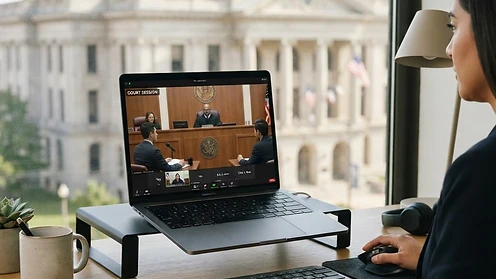
In the modern era of legal practice, geography is becoming increasingly fluid. For solo practitioners and small firms, the ability to accept cases outside of their home jurisdiction has grown exponentially thanks to remote court appearances. However, this accessibility introduces a complex layer of logistical challenges. When a client needs representation in a state where you are not barred, leveraging local appearance counsel is not just a convenience—it is a procedural necessity. Managing these virtual appearances requires a clear understanding of the interplay between pro hac vice rules, local customs, and the delegation of authority to appearance counsel.
Understanding Local Rules for Remote Appearances
The first hurdle is determining whether a specific court allows remote appearances for the type of hearing at hand. Even with the widespread adoption of Zoom or Teams, many jurisdictions maintain strict rules regarding the physical presence of counsel for substantive motions or evidentiary hearings. As the lead attorney, you must investigate the local rules of the specific county or judge. Simply assuming that because a case is virtual, any attorney can appear is a recipe for a procedural dismissal. You must verify if your local appearance counsel needs to file a formal motion to appear, even if the appearance is being conducted through a screen.
The Pro Hac Vice Workflow
For out-of-state litigation, securing pro hac vice admission is often the most time-consuming part of the process. While you might be the lead counsel of record, your appearance counsel serves as the vital local anchor. You must coordinate early with your local partner to ensure they have the necessary credentials to sponsor your admission if required. This workflow requires:
- Identifying the specific local rules regarding pro hac vice sponsorship.
- Preparing all necessary declarations, certificates of good standing, and local bar association filings well in advance of the first hearing.
- Ensuring that the local appearance counsel is prepared to serve as the point of contact for the court clerk if scheduling issues arise.
- Maintaining a master list of all deadlines related to your admission status to prevent any lapse in your authority to practice.
Synchronizing Case Files Across Jurisdictions
One of the greatest risks in remote coverage work is the fragmentation of the case file. When you are operating from a different state, you are often reliant on digital document repositories. To ensure the appearance counsel is fully prepared, you need a robust, cloud-based document management system. Provide your coverage attorney with granular access to the relevant folder structures, specifically highlighting the 'working' drafts of documents that might be discussed or argued. Do not assume that because a document is uploaded, it is understood. Create a summary sheet for each appearance that includes the primary arguments and the specific outcomes you are seeking from the judge.
Managing the Communication Loop
In a remote setting, the feedback loop between the courtroom and your office can be fragile. Establishing a pre-hearing protocol is essential for managing expectations. Your communication plan should include:
- A specific time window for a 'digital briefing' held 24 to 48 hours before the scheduled appearance.
- A designated emergency contact method if technical difficulties arise with the court's remote platform.
- Clear instructions on how to transmit updates to the client immediately following the hearing, whether you or the appearance counsel will be the one delivering the news.
- A template for a post-hearing memo that captures the judge’s specific language, any deadlines set, and upcoming calendar dates.
Addressing Ethical and Liability Concerns
When you delegate a hearing to a local attorney in another state, you retain the ethical obligations to the client. This means that you are responsible for the actions taken by the appearance counsel. To mitigate risk, focus on vetting the experience level of the attorney regarding that specific court’s local eccentricities. An attorney who is a generalist may not be aware of a specific judge’s preference for how remote objections are handled. Always conduct a thorough conflicts check that covers both your firm’s interests and the interests of the local appearance counsel. Transparency is the best protection against professional liability.
Technological Preparedness for the Virtual Courtroom
Technical failure during a hearing is not a valid excuse for missing a deadline or failing to advocate effectively. Before the hearing, verify the bandwidth requirements and the specific software version the court utilizes. If you are appearing alongside your coverage counsel, ensure that your internal systems are not causing lag or audio issues. Instruct your appearance counsel to arrive early to the virtual waiting room, test their camera and microphone, and ensure they have a backup plan for internet connectivity. For high-stakes hearings, it is wise to have your coverage counsel positioned in a setting with professional lighting and a neutral background, reinforcing the professional standard of your firm regardless of their physical location.
Ready to cover your next appearance? See how Appearance Partners works and view pricing, or create your attorney profile to start receiving coverage requests.
This article is general information for attorneys and is not legal, financial, or medical advice. Reading it does not create an attorney-client relationship.