The Ghostwriter’s Guide: Mastering Case Summaries for Coverage Counsel
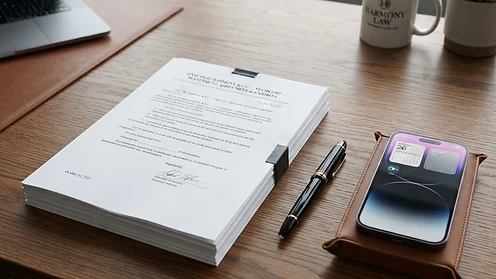
The Anatomy of an Effective Coverage Brief
When you hire an appearance attorney, you are handing over the keys to your client's case for a specific window of time. If that attorney walks into the courtroom blind, the results are rarely optimal. The most successful solo and small-firm practitioners have learned that the quality of the coverage depends entirely on the quality of the brief provided to the coverage counsel. A strong coverage brief is not just a copy of the court file; it is a tactical manual designed to guide the appearance attorney through the specific nuances of the day's proceedings.
A well-structured brief should bridge the gap between your overall litigation strategy and the immediate goals of the hearing. By clearly defining the scope of authority and identifying potential pitfalls, you protect your client's interests and provide your coverage counsel with the confidence needed to act decisively. When the instructions are fuzzy, the coverage attorney is forced to be overly cautious, which often leads to missed opportunities or unnecessarily long hearings.
Setting Clear Boundaries and Authority
One of the primary sources of anxiety for coverage counsel is the ambiguity of their authority. Are they authorized to enter into a settlement agreement? Can they waive certain arguments? By outlining these boundaries in writing, you eliminate guesswork. Your brief must explicitly state what the coverage attorney can agree to, what requires a phone call to you, and what is strictly off-limits. This clarity is essential for maintaining ethical boundaries and ensuring that the coverage attorney does not accidentally bind your firm to an unfavorable position.
The Critical Elements of Your Prep Sheet
To ensure consistency in your appearance practice, develop a standardized template for your coverage briefs. While every case is different, the core information requirements remain the same. Ensure your prep sheet includes the following essential sections:
- Case style and index number
- A brief summary of the status of the case to date
- The specific objective of the upcoming hearing
- A checklist of documents the attorney needs to present or review
- A list of 'must-ask' questions for the judge or opposing counsel
- Your direct contact information and a secondary emergency contact
By keeping these elements consistent, you make it easier for recurring coverage partners to know exactly where to look for critical data when they are in the heat of a busy morning calendar.
Anticipating Opposition Tactics
Even the most routine hearings can turn contentious. If you know that opposing counsel is particularly aggressive or prone to raising procedural objections, tell your appearance attorney. Forewarning is a powerful tool. If there is a recurring issue, such as a dispute over discovery compliance or a tendency for the other side to bring up irrelevant motions, equip your coverage counsel with the specific case law or arguments needed to shut it down. Giving your proxy a pre-written, bulleted list of responses to potential objections can transform a potentially chaotic hearing into a controlled, successful interaction.
Logistics: The Often-Overlooked Details
In the digital age, we often forget that physical presence is still a logistical challenge. Is there a specific judge who demands hard copies of motions even if they were e-filed? Does the clerk require a specific form to be filled out at the front desk before the calendar call? Your coverage brief should provide the 'local color' of the courtroom. If there are specific filing procedures, parking tips, or security nuances that the coverage attorney should know, include them. This level of detail shows respect for the appearance attorney’s time and ensures they stay focused on the substantive legal work rather than getting bogged down in administrative hurdles.
Building a Lasting Professional Partnership
The relationship between primary and coverage counsel should be symbiotic. When you provide a comprehensive, clear, and well-organized brief, you make yourself the easiest attorney to work with in the jurisdiction. Coverage attorneys remember the firms that make their lives easier. They are more likely to prioritize your requests, provide detailed post-hearing notes, and advocate for your client with a higher level of dedication. Think of your coverage brief as an investment in a long-term professional partnership that ultimately benefits your bottom line and your client’s peace of mind.
Best Practices for Brief Delivery
Finally, consider the timing and format of your brief delivery. Sending a brief five minutes before the hearing is a recipe for disaster. Aim for these best practices:
- Deliver the brief at least 24 hours in advance to allow for review.
- Send files in a readable, non-proprietary format like PDF to avoid compatibility issues.
- Include a summary paragraph at the top that highlights the most critical 'do-or-die' tasks.
- Follow up with a brief phone or video call if the matter involves complex evidentiary issues.
- Keep a digital archive of your coverage briefs to reuse and refine for future similar matters.
By treating the coverage brief as a vital piece of advocacy rather than a disposable instruction sheet, you elevate the quality of your practice and foster stronger professional relationships across your legal community. Precision in preparation today leads to better results in the courtroom tomorrow.
Ready to cover your next appearance? See how Appearance Partners works and view pricing, or create your attorney profile to start receiving coverage requests.
This article is general information for attorneys and is not legal, financial, or medical advice. Reading it does not create an attorney-client relationship.