The Coverage Counsel's Guide to Mastering Oral Argument on Short Notice
Understanding the Scope of Your Limited Engagement
Stepping into a courtroom as appearance counsel requires a unique skill set. You are not the lead attorney, yet for the duration of that motion or hearing, you are the face of the client's legal strategy. The most successful coverage attorneys recognize that their role is not just to show up, but to actively protect the record. Before you even walk through the security line, you must define the scope of your engagement with the hiring attorney. Clarify whether you are authorized to negotiate settlements, whether you should argue the merits of a motion, or if your presence is purely for administrative updates or scheduling matters.
The Anatomy of a Rapid-Fire Case Briefing
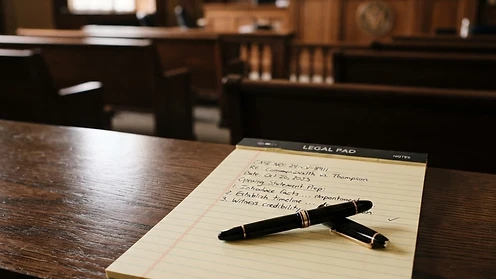
When you take on a last-minute assignment, your briefing period will likely be measured in hours rather than days. Develop a systematic approach to reading the case file to identify the critical components immediately. Start with the docket to understand the procedural history. Review the specific motion at hand and the corresponding opposition. If a judge has issued a tentative ruling, that is your primary target. Focus your limited study time on the core legal standard for the relief requested and the specific facts that weigh for or against your client's position. Distill this into a one-page cheat sheet that includes key dates, case numbers, and the core argument you plan to make if questioned by the bench.
Effective Communication with the Hiring Attorney
The bridge between a one-time appearance and a recurring professional relationship is communication. Your hiring attorney is likely managing a dozen other cases and is anxious about the outcome of the hearing you are covering. To reduce their stress and build trust, establish a pre-defined communication protocol. A brief email or text confirmation the evening before the hearing, confirming you have reviewed the file and are prepared, goes a long way. After the hearing, provide a concise, objective summary of the proceedings. Avoid vague updates; instead, include specific details such as the judge's tone, the opposing counsel's arguments, and the precise wording of the court's order.
Strategies for Handling Bench Questions
Even with thorough preparation, a judge may pivot the discussion to an issue you didn't anticipate. This is where many coverage attorneys falter. If you are asked a question about the facts of the case that falls outside the information provided in your briefing materials, it is safer to be candid than to guess. You can effectively manage these situations by following these steps:
- Acknowledge the question directly and respectfully.
- State clearly that the point is outside the scope of your current instructions if you lack the information.
- Offer to have the lead attorney follow up with the court within a specific timeframe if the issue is complex.
- Maintain your composure and shift back to the primary points you were instructed to advocate.
Navigating Procedural Hurdles and Clerk Etiquette
The courtroom clerk is the gatekeeper of the judge's calendar. Treat them with the same level of professional respect you afford the judge. When you arrive, sign in promptly and inform the clerk that you are covering for the primary attorney. Being organized and prepared with your own copy of the necessary filings shows that you are a serious professional. If a conflict arises—such as a last-minute settlement offer from opposing counsel—never attempt to finalize it without explicit, documented authority from the lead attorney. If the judge presses for a resolution on the spot, request a brief recess to consult with your client.
Leveraging Technology for Pre-Hearing Prep
Modern legal practice allows you to access court dockets and filings from anywhere. Ensure you are familiar with the jurisdiction's specific electronic filing and search systems. Many counties now have public search portals that provide real-time updates on court calendars. Using these tools, you can often find the judge’s standing orders or previous rulings in similar cases handled by the same law firm. This background intelligence gives you a significant advantage when you step up to the lectern, as you will understand the judge's preference for oral argument styles—whether they prefer a summary of the papers or a deeper dive into the case law.
Ethical Considerations for Appearance Counsel
As a coverage attorney, you are bound by the same ethical duties as the attorney of record. You must manage potential conflicts of interest just as you would for a direct client. If you discover that your appearance creates an ethical conflict, you must withdraw immediately and notify the hiring firm. Furthermore, your duty of confidentiality extends to the information you glean while covering the matter. Never discuss the details of the hearing or the client's file in public spaces, such as elevators or coffee shops. Your reputation is your most valuable asset in the appearance counsel market, and maintaining strict confidentiality and ethical standards is essential for long-term viability in this niche field.
Ready to cover your next appearance? See how Appear4Me works and view pricing, or create your attorney profile to start receiving coverage requests.
This article is general information for attorneys and is not legal, financial, or medical advice. Reading it does not create an attorney-client relationship.