The Art of the Pre-Hearing Huddle: Maximizing Value in Coverage Engagements
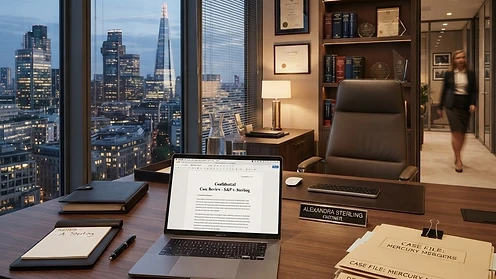
The Philosophy of the Pre-Hearing Huddle
In the modern legal landscape, appearance counsel is often treated as a commodity—a quick transaction to cover a docket call or a motion hearing. However, the most successful solo and small-firm practitioners understand that appearance work is an extension of their firm's reputation. The pre-hearing huddle, an intentional period of communication between the hiring attorney and the appearance counsel, is the bridge that turns a routine appearance into a strategic advantage. It is not enough to simply hand over a file; both parties must align on objectives, expectations, and the limits of authority to ensure a seamless courtroom experience.
Defining the Scope of Authority Before Arrival
One of the most frequent sources of tension in appearance work is ambiguity regarding the scope of authority. When an appearance counsel walks into a courtroom, they are acting as the client's voice. Without clear boundaries, they are often left guessing during critical moments—such as whether to accept a specific settlement offer or how to respond to an unexpected judicial inquiry. A robust pre-hearing huddle must establish these three pillars of authority:
- Settlement Authority: Define specific dollar amounts or terms that the appearance counsel is empowered to accept or reject without further consultation.
- Procedural Flexibility: Determine if the appearance counsel has the discretion to waive minor procedural defects or stipulate to scheduling changes on the fly.
- Communication Protocol: Establish the exact method of real-time communication during the hearing—should the appearance counsel text, call, or email the hiring attorney during specific breaks?
The Anatomy of the Information Handover
The quality of information provided to the appearance counsel directly dictates the quality of the representation in the courtroom. Simply forwarding the case file is insufficient; it forces the appearance counsel to hunt for the relevant facts under pressure. Instead, hiring attorneys should provide a condensed brief that highlights:
- The specific nature of the hearing and the intended outcome (e.g., seeking a continuance, arguing a motion to compel, or attending a routine status conference).
- Key personality traits of the judge, including any recent tendencies in their rulings on the current issue.
- Critical evidentiary or procedural deadlines that are relevant to this specific appearance.
- The names and roles of all parties and opposing counsel present.
Mitigating Conflict and Ethical Risks
Ethics do not end at the office door. Appearance counsel must be hyper-aware of potential conflicts of interest that might arise during the hearing. A thorough huddle includes a mandatory discussion regarding current or past representation that might touch upon the parties involved. If the appearance counsel realizes during the hearing that a conflict exists, the pre-hearing protocol should dictate immediate steps for disclosure and withdrawal, if necessary. Furthermore, the hiring attorney must clearly instruct the appearance counsel on the limitations of the attorney-client privilege during the appearance to ensure that sensitive information is protected throughout the proceedings.
Setting Expectations for Post-Hearing Reporting
The value of appearance work often rests on the precision of the follow-up. A generic report that states the motion was heard is rarely useful for the client’s long-term strategy. To maximize the value of the appearance, the hiring attorney should explicitly request a structured report that includes:
- A summary of the judicial findings or statements made from the bench.
- A detailed account of any reactions or arguments presented by opposing counsel.
- A clear set of action items or deadlines imposed by the court.
- The appearance counsel's professional assessment of how the judge received the arguments, which provides a qualitative edge for future strategy.
Building Long-Term Strategic Relationships
When communication is prioritized, appearance work evolves from a one-off transaction into a long-term strategic relationship. Solo practitioners who regularly use the same appearance counsel benefit from a professional who understands their specific firm culture, preferences, and risk tolerance. This familiarity reduces the need for extensive briefings over time, as both attorneys develop a shorthand that allows them to move quickly and efficiently. By treating appearance counsel as an extension of the firm’s legal team rather than an external vendor, small firms can scale their reach without sacrificing quality or ethical integrity. Ultimately, the success of any appearance hinge on the clarity of the instructions and the depth of the initial briefing process. Those who invest the extra fifteen minutes in a high-quality pre-hearing huddle save hours of corrective work and potential client dissatisfaction down the line.
Ready to cover your next appearance? See how Appearance Partners works and view pricing, or create your attorney profile to start receiving coverage requests.
This article is general information for attorneys and is not legal, financial, or medical advice. Reading it does not create an attorney-client relationship.