Mastering the Judicial Temperament: Effective Communication for Appearance Counsel
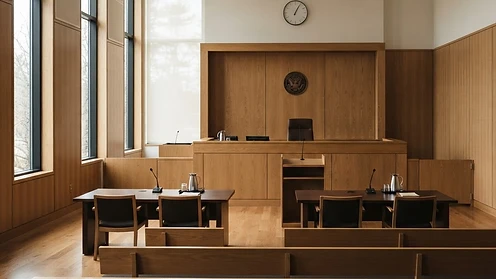
Understanding Judicial Expectations
When you step into a courtroom as appearance counsel, you are essentially acting as a temporary ambassador for both your client and the instructing attorney. One of the most overlooked aspects of this role is the ability to quickly read and adapt to the presiding judge’s courtroom culture. Every judge has a unique temperament and set of procedural preferences. Before you step to the lectern, you must understand that the court does not care that you are there on a limited-scope basis. To the bench, you are the face of the case, and your communication must reflect a deep command of the file to maintain credibility.
The Anatomy of a Concise Courtroom Update
Judges are under immense pressure to clear their dockets. When you are covering an appearance, efficiency is your primary currency. Avoid rambling narratives or verbose introductions. Instead, adopt a structured communication framework that answers the court's core questions immediately. You should be prepared to address the following in your first three sentences: who you are representing, the current status of the matter, and the specific relief or order sought today. If you can deliver this information in under sixty seconds, you have already won the judge's respect.
Adapting to High-Volume Motion Calendars
In jurisdictions with massive civil or family law motion calendars, the pace is frenetic. In these settings, your ability to communicate effectively often hinges on your ability to synthesize complex legal arguments into bite-sized talking points. If you find yourself in a room where the judge is moving through cases every five minutes, you must resist the urge to provide unnecessary context. Focus your verbal presentation on the procedural posture and the narrow issue before the court that day. To thrive in these environments, keep a cheat sheet containing:
- The primary case name and index number.
- The current procedural status of the discovery or motion cycle.
- The specific requested outcome for the hearing.
- Contact information for the lead attorney in case the judge requests a conference call.
Handling Difficult Bench Interactions
Occasionally, you will encounter a judge who is either particularly impatient or unfamiliar with the specific nuances of your client's case. As coverage counsel, your instinct might be to deflect blame to the instructing attorney. This is a critical error. Even if you were only handed the file an hour ago, you are the voice of the client in that moment. If a judge poses a question you cannot answer, do not guess. Acknowledging your limitations while offering a path to resolution is a hallmark of a seasoned professional. Try phrases like, 'Your Honor, I do not have the answer to that specific detail at this moment, but I am authorized to facilitate a call with the lead counsel immediately,' or 'I would prefer to provide a supplemental letter to the court by end of day rather than speculate on that point.'
The Art of Active Listening on the Record
Active listening is not just for client interviews; it is a tactical tool in the courtroom. When you are covering a hearing, you are often the only set of eyes and ears that the lead attorney has. You must listen for subtle cues in the judge’s commentary that may indicate a shift in their thinking or a potential issue with the motion. Sometimes, a judge will drop a hint about how they intend to rule if a specific condition is met. Capturing this nuance in your post-hearing report is exactly why your clients value your services. Practice the following to ensure you capture every detail:
- Keep a dedicated notebook or digital document open during the entire calendar, not just when your case is called.
- Note the judge's reactions to similar cases called before your matter to gauge their mood.
- Record the names of any clerks or court staff who provide specific instructions regarding filings.
- Document the precise phrasing of any orders issued from the bench.
Bridging the Gap Between You and Lead Counsel
Communication doesn't end when the gavel falls. The most successful coverage attorneys are those who provide the most actionable follow-up information. The instructing attorney is waiting on the edge of their seat for news. Your report should be structured so that they can digest the outcome and the judge’s temperament in under two minutes of reading. Do not just report the 'what,' explain the 'how.' Was the judge frustrated by the length of the briefs? Was there a particular issue the court felt was poorly briefed? By providing this context, you demonstrate that you are not just a body in a seat, but a strategic partner. This level of detail transforms a one-time appearance into a long-term professional relationship, leading to repeat business and a more stable income stream for your solo practice.
Strategic Preparation for Non-Oral Argument Days
Even on days where no oral argument is scheduled, your presence is an opportunity to build social capital. Use these 'routine' appearances to observe the court's internal processes and the behavior of other local counsel. Building familiarity with the court clerk and the judicial assistant is perhaps the most practical way to streamline your future appearances. When you are known as a prepared, respectful, and reliable practitioner, courtroom staff are far more likely to grant you the minor professional courtesies that make a busy day manageable. Always arrive early, be prepared to wait, and treat every interaction with the court staff as if it were a direct interaction with the judge. Your reputation as a coverage attorney is built as much in the hallway as it is at the lectern.
Ready to cover your next appearance? See how Appearance Partners works and view pricing, or create your attorney profile to start receiving coverage requests.
This article is general information for attorneys and is not legal, financial, or medical advice. Reading it does not create an attorney-client relationship.