Mastering the Pre-Appearance Brief: How to Secure Better Coverage Outcomes
The Value of a Comprehensive Briefing
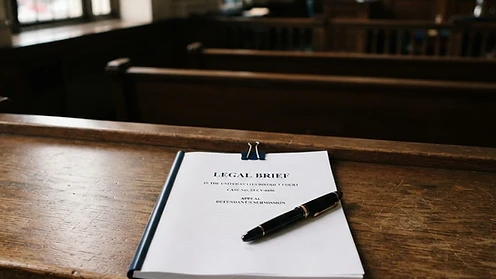
In the fast-paced world of solo and small-firm practice, the ability to outsource court appearances is a vital lifeline. However, the success of an appearance is rarely determined by the time spent in the courtroom alone. Instead, it hinges on the quality of the briefing provided by the hiring attorney. As an appearance lawyer, requesting a standardized, comprehensive briefing document can be the difference between a routine hearing and a procedural nightmare.
What Every Briefing Must Include
Before you commit to an appearance, insist that the hiring attorney provides a clear, concise summary of the case and the intended goal. Effective coverage is built on communication. A professional briefing should ideally include the following elements:
- Procedural History: A brief summary of where the case stands, including previous continuances or outstanding discovery issues.
- Objective: A specific statement of what the attorney hopes to achieve at this hearing—whether it is a simple status check or a contested motion.
- The "Must-Haves": A list of specific points or documents that the judge or opposing counsel expects to address.
- The "Red Lines": Explicit instructions on what should not be agreed to or stipulated.
- Relevant Documents: Access to the current pleadings, prior orders, or internal notes that are essential for context.
Mitigating Ethical Risks and Conflict of Interest
One of the primary concerns for attorneys providing coverage is the ethical implication of taking on a matter they haven't thoroughly vetted. A detailed brief helps you identify potential conflicts of interest before you step into the courtroom. When you have the facts in front of you, you can perform a quick conflict check against your existing client list. Never accept a case based on a vague email or a brief phone call; demand documentation that allows you to fulfill your ethical obligations to the court and your own practice.
Streamlining the Reporting Process
Once the hearing concludes, your work isn't finished until the hiring attorney receives a detailed report. Standardize your post-appearance process to make yourself the most reliable partner in the marketplace. Your report should contain:
- The Outcome: Clearly state if the motion was granted, denied, or continued.
- Judge’s Comments: Note any specific directives from the court that might influence future strategy.
- Next Steps: List the deadlines set by the court for the next appearance or filing.
- Client Interaction: Summarize any brief contact made with the client or opposing counsel.
Building a Long-Term Professional Reputation
By treating the briefing process as a collaborative technical exercise rather than a mere administrative chore, you position yourself as a highly competent attorney. Hiring lawyers aren't just looking for a warm body to sit in a chair; they are looking for a reliable legal representative who understands the nuances of the courtroom. When you provide clear expectations for what you need before the hearing, you reduce the risk of surprises, save time, and build long-term trust. This reputation is the ultimate tool for growing your coverage practice and ensuring that your skills remain in demand by the most reputable firms in the industry.